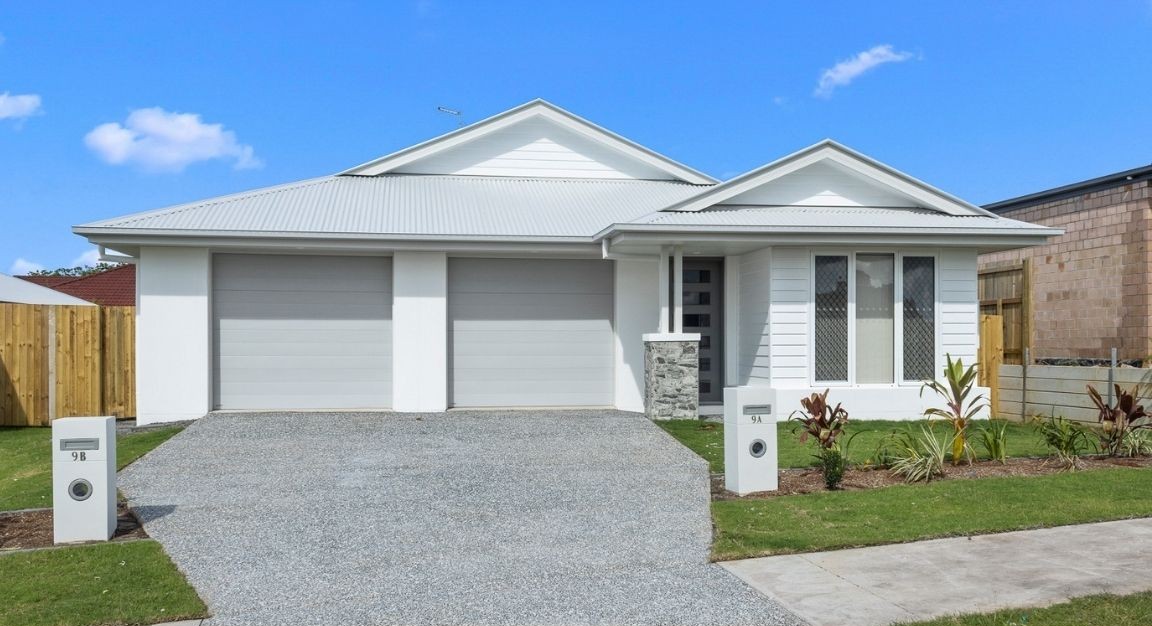
Let’s be real: in 2026, the “standard” rental property is starting to feel a bit outdated. With interest rates doing their thing and the cost of living hitting everyone’s pockets, investors are looking for a way to make their money work double-time: the dual income property.
Think of it as the ultimate “two-for-one” deal in real estate. Whether it’s a duplex, a house with a trendy granny flat out back, or a dual-key apartment, the vibe is simple: one mortgage, two rent checks. It sounds like a total dream for your cash flow, right? But before you start picking out two sets of kitchen appliances, there’s a bit more to it than just collecting extra rent. You’re also looking at double the maintenance and—let’s face it—double the tenant drama.
So, is doubling up actually the genius move it looks like on paper? Let’s break down the pros and cons of the dual-income life.
The Pros: Why Investors Love Them
1. Superior Rental Yields
The most obvious benefit is the “two-for-one” deal. Typically, the combined rent of two smaller units is significantly higher than the rent of one large family home on the same land. In high-demand urban areas, this can mean the difference between a property that’s “negatively geared” (costing you money) and one that is cash-flow positive from day one.
2. Reduced Vacancy Risk
If a single-tenant property goes vacant, your income drops to zero. With a dual-income setup, if one tenant moves out, you still have the other 50% of your income to help cover the mortgage while you hunt for a new renter.
3. Tax Efficiency & Depreciation
Since you have two kitchens, two sets of appliances, and potentially two hot water systems, your depreciation schedule is much more aggressive. In 2026, where every tax deduction counts, being able to write off the “wear and tear” of two dwellings against your income is a massive win.
4. Maximized Land Utility
Land is the appreciating asset; the building is the depreciating one. Dual occupancy allows you to squeeze the maximum utility out of your land, essentially doubling your “inventory” without the cost of buying a second lot.
The Cons: The Hidden Challenges
1. Higher Initial Construction & Setup Costs
Building two dwellings—even if they share a wall—is more expensive than building one. You’ll face double the “wet area” costs (plumbing for two kitchens and multiple bathrooms) and higher council contribution fees for the second “address.”
2. Privacy & Tenant Disputes
Unless the dwellings are completely detached with separate street frontages, tenants will be sharing a fence, a driveway, or even a backyard.
- The “Noise” Factor: Common walls in older duplexes can lead to noise complaints.
- The “Parking” War: If there isn’t clearly designated parking for both units, it’s the #1 source of tenant friction.
3. Management Overhead
You aren’t just managing a property; you’re managing a mini-community. If the tenant in Unit A hates the music coming from Unit B, you are the referee. While a property manager can handle this, expect to pay slightly more for the complexity of managing two separate leases on one title.
4. Resale Limitations
While investors love dual-income properties, the owner-occupier market (the largest pool of buyers) often avoids them. Most families want a big backyard to themselves, not a neighbor living 10 feet away in a “granny flat.” This can sometimes limit your capital growth compared to a traditional standalone house.
2026 Strategy Table: Is it Right for You?
| Feature | Dual Income Property | Traditional Single-Family Home |
| Cash Flow | High / Positive | Low / Often Negative |
| Maintenance | Higher (two of everything) | Standard |
| Exit Strategy | Best for Investors | Best for Families |
| Financing | Can be stricter (LVR limits) | Generally easier |
The Bottom Line
Dual-income properties are for the yield-seeker. If your goal is to replace your salary with rental income as quickly as possible, the dual-check system is hard to beat. However, if you prefer a “set and forget” investment with minimal drama, a traditional house in a blue-chip suburb might still be your best bet.
