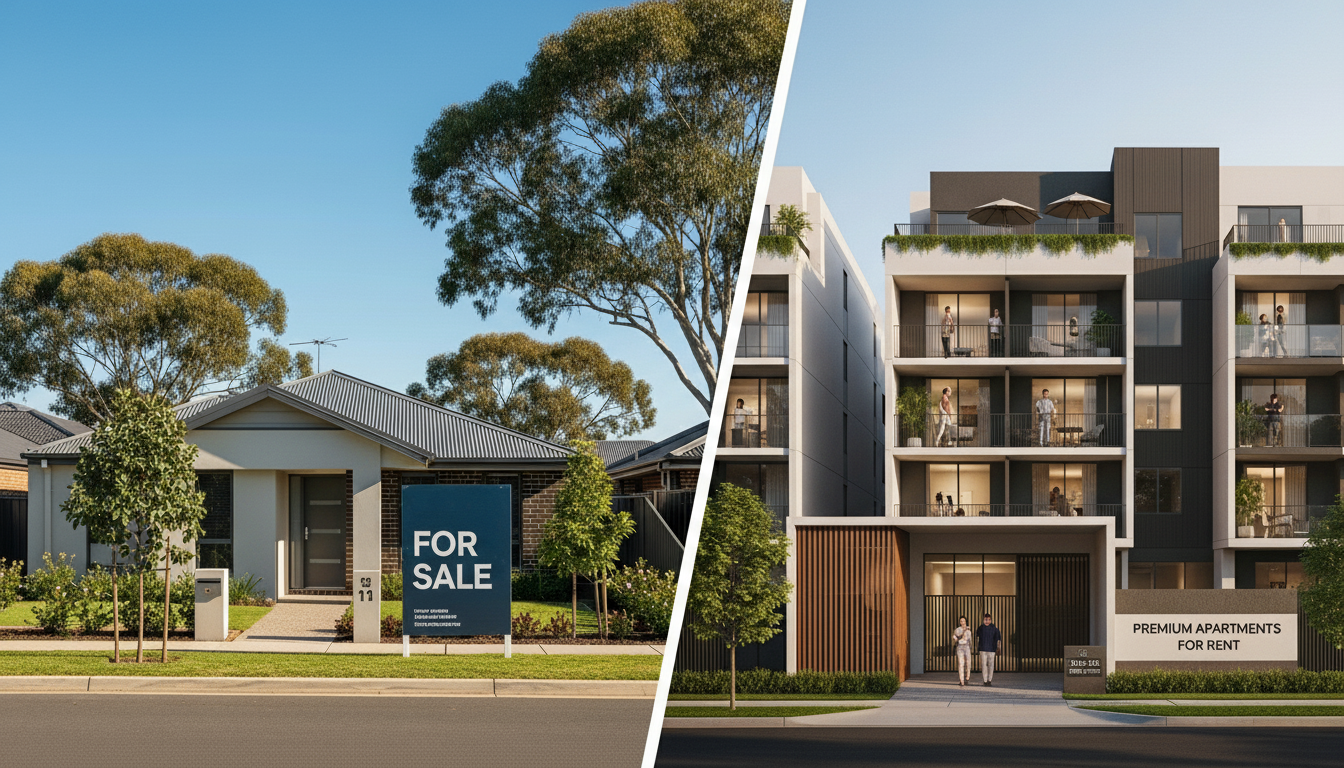
In the 2026 Australian property landscape, the choice between Build-to-Rent (BTR) and Build-to-Sell (BTS) is no longer just a matter of preference—it’s a strategic decision shaped by high construction costs, shifting tax laws, and a chronic housing undersupply.
While the “Great Australian Dream” of homeownership still fuels the BTS market, the BTR sector has evolved from a niche institutional play into a cornerstone of the modern rental market. Here is a breakdown of how these two models compare for your investment goals.
1. Build-to-Sell (BTS): The Traditional Powerhouse
The BTS model involves developing a property (usually apartments or townhouses) and selling the individual units upon completion.
The Investor Profile
Best for those seeking short-to-medium-term capital injection and investors who want to recycle their equity quickly.
The Pros
- Lump Sum Returns: You realize your profit immediately after the project is finalized and the “sunset clause” or settlement occurs.
- Lower Management Burden: Once the keys are handed over, your responsibility ends. There is no need for long-term property management or maintenance logistics.
- GST Recovery: In Australia, BTS developers can typically claim GST credits on construction and land costs, which can effectively lower project costs by 10% compared to BTR.
The Cons
- Market Timing Risk: You are highly exposed to the property cycle. If the market dips during your 18-to-24-month build, your profit margins can evaporate by settlement.
- Transactional Costs: Each sale incurs high agent fees, marketing costs, and legal fees.
2. Build-to-Rent (BTR): The Modern Income Engine
In a BTR project, the developer (or an investor group) retains ownership of the entire building and manages it as a single-income-producing asset.
The Investor Profile
Best for long-term wealth builders and institutional-grade investors looking for stable, “bond-like” cash flow and high tenant retention.
The Pros
- Stabilised Yields: Because BTR buildings are professionally managed with high-end amenities (gyms, co-working spaces), they often command a 5–10% rental premium over traditional private rentals.
- Tax Incentives (New for 2026): Recent federal reforms allow eligible BTR projects to access an accelerated capital works deduction of 4% (up from 2.5%) and a concessional 15% Managed Investment Trust (MIT) withholding tax rate on income and capital gains.
- Occupancy Stability: BTR projects in Australia currently maintain occupancy rates above 95% due to the security of tenure they offer renters.
The Cons
- Capital Lock-up: Your money is tied up for the long haul. BTR is an endurance game, often requiring a 10-to-15-year commitment to maximize tax benefits.
- GST “Leaking”: Unlike BTS, BTR developers currently cannot claim GST credits on construction costs, making the initial build roughly 10% more expensive upfront.
Side-by-Side Comparison
| Feature | Build-to-Sell (BTS) | Build-to-Rent (BTR) |
| Primary Goal | Capital Gains / Profit Margin | Yield / Long-term Cash Flow |
| Liquidity | High (Once completed) | Low (Long-term hold) |
| Tax Treatment | GST Credits available | 15% MIT Concession (if eligible) |
| Operational Risk | Market cycle at time of sale | Management and maintenance costs |
| Tenant Stability | N/A (Sold to owners/investors) | Very High (Professional management) |
The 2026 Verdict: Which is “Better”?
Choose Build-to-Sell if:
You need to grow your capital base rapidly. With Sydney and Melbourne dwelling values still showing resilience, a well-timed BTS project can provide the “seed money” for larger future investments. It remains the more straightforward path for smaller, private developers.
Choose Build-to-Rent if:
You are prioritizing income security in an inflationary environment. As of 2026, the Australian rental market remains in a state of chronic undersupply. BTR allows you to capture this demand while benefiting from the government’s 15-year compliance incentives. It is the “defensive” play for a volatile market.
