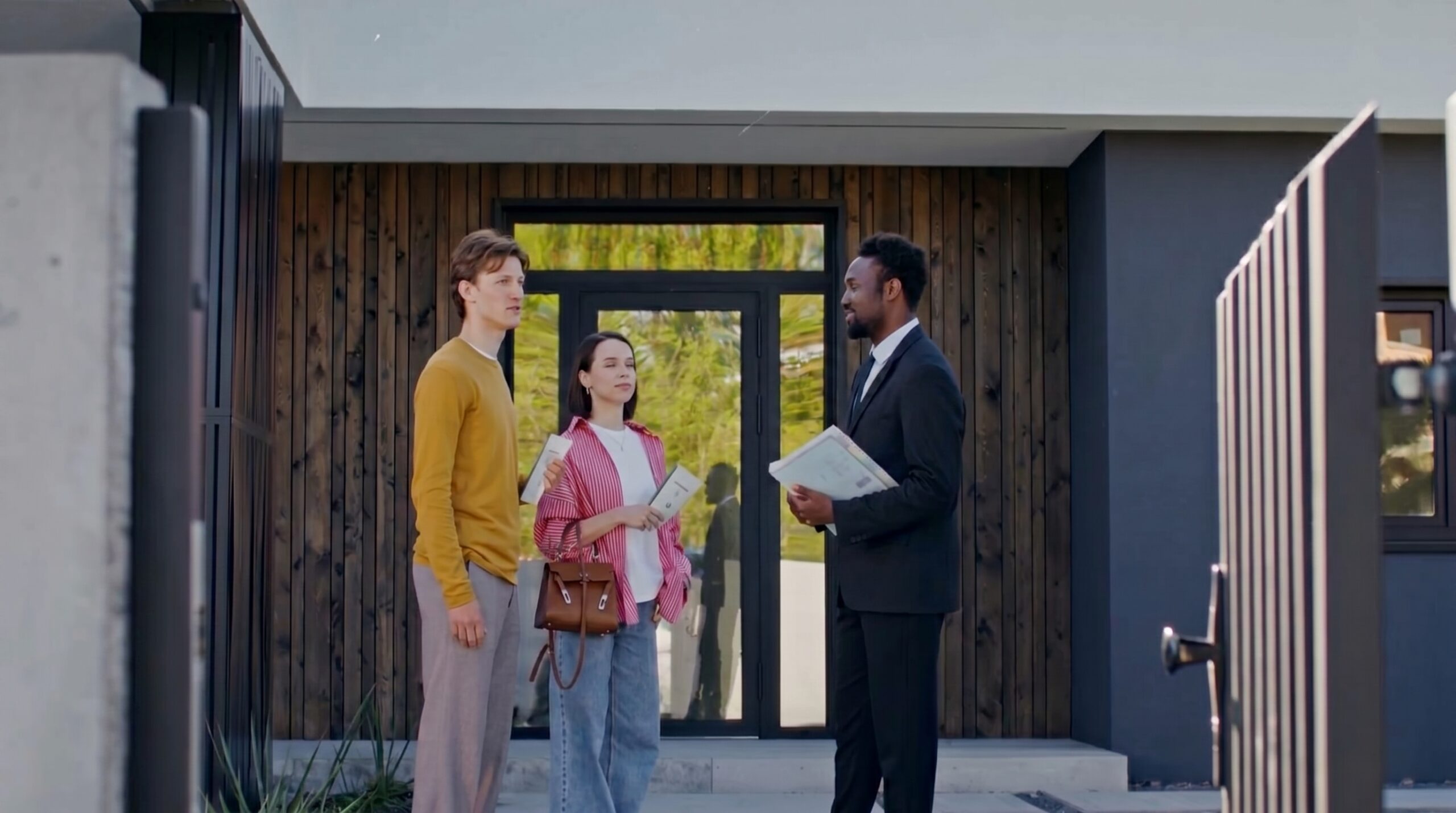
When house hunting or looking for your next investment property in Australia, it’s easy to let a beautifully staged open home blind you to underlying disasters. While some property issues are minor cosmetic fixes, others are expensive, stressful money pits that should have you running for the exit.
Whether you are looking for a structural standalone home or a modern strata unit, here are 5 critical property red flags that mean you should walk away.
1. The “Fresh Paint” Cover-Up (Hidden Water Damage)
There is nothing wrong with a fresh coat of paint—unless it is only applied to one wall or a single ceiling patch in an otherwise lived-in house.
Sellers often use quick touch-ups or “anti-damp” paint to hide active leaks, rising damp, or toxic mold just long enough to pass the open inspection. Water-proofing failures, especially around bathroom membranes, are among the most expensive and frustrating issues to diagnose and fix.
What to look for:
- A strong, musty odour or a heavy use of air fresheners to mask smells.
- Bubbling baseboards, peeling paint, or slight buckling in the plasterboard.
- Watermark “tide lines” on lower walls or along the ceilings.
2. Structural Fractures vs. Settling Cracks
As Australian houses age and handle shifting clay soils, minor hairline fractures in the plaster are completely normal. However, there is a massive difference between cosmetic settling and deep structural failure. Foundation repairs (like underpinning) can easily scale into tens of thousands of dollars.
What to look for:
- The Pinky Nail Rule: Any vertical or stair-step crack in the external brickwork or internal walls wider than 5mm to 10mm (roughly the width of your pinky finger).
- Doors and windows that stick, jam, or refuse to close properly in their frames.
- Visibly unlevel, sagging, or springy floors underfoot.
3. Unapproved DIY Renovations
With the massive popularity of home renovation television shows across Australia, unapproved or non-compliant structural work is at an all-time high. If the previous owner added a deck, knocked down an internal wall, or turned the garage into a granny flat without council approval, the legal and financial liability falls squarely on you the moment settlement occurs.
What to look for:
- Additions or extensions that look slightly “off” or use mismatched materials.
- The Contract Check: Always have your conveyancer or solicitor cross-reference the property’s structure against the council-approved building plans in the Vendor Disclosure documents (such as the Section 32 in Victoria or the Contract of Sale in NSW). If the building certificates are missing, be ready to walk.
4. Tell-Tale Signs of Termite Activity
Termites (often called “white ants” in Australia) feed silently on the inner timber frames of a home. Because they hollow out structural wood from the inside out, extensive pest damage can completely compromise a property’s stability before you ever see a live insect.
What to look for:
- Hollow-sounding door frames or skirting boards when tapped.
- Blistered or paper-thin drywall where termites have chewed right up to the paint layer.
- Mud sheltering tubes running along concrete stumps, brick foundations, or external walls.
5. Unrealistic Strata Records or Depleted Sinking Funds
If you are buying a townhouse, villa, or apartment, the biggest red flags often don’t live in the walls—they live in the strata books. Every buyer should invest in a professional strata report to review the history of the body corporate or owners corporation.
What to look for:
- A Depleted Sinking/Capital Works Fund: If the building needs a new roof or structural cladding replacement in three years, but the sinking fund has a tiny balance, a massive “special levy” will be charged to the owners to cover the cost.
- A history of ongoing legal disputes between owners or with the original builder.
- Unusually high vacancy rates or multiple units listed for sale simultaneously in the same building.
The Golden Rule: Never Skip the Experts
No matter how pristine a property looks on realestate.com.au or Domain, never sign a contract without a subject to building and pest inspection clause, and always ensure a qualified professional reviews the legal paperwork.
If an agent pressures you to sign before you can complete your due diligence, treat that pressure as the biggest red flag of all.
