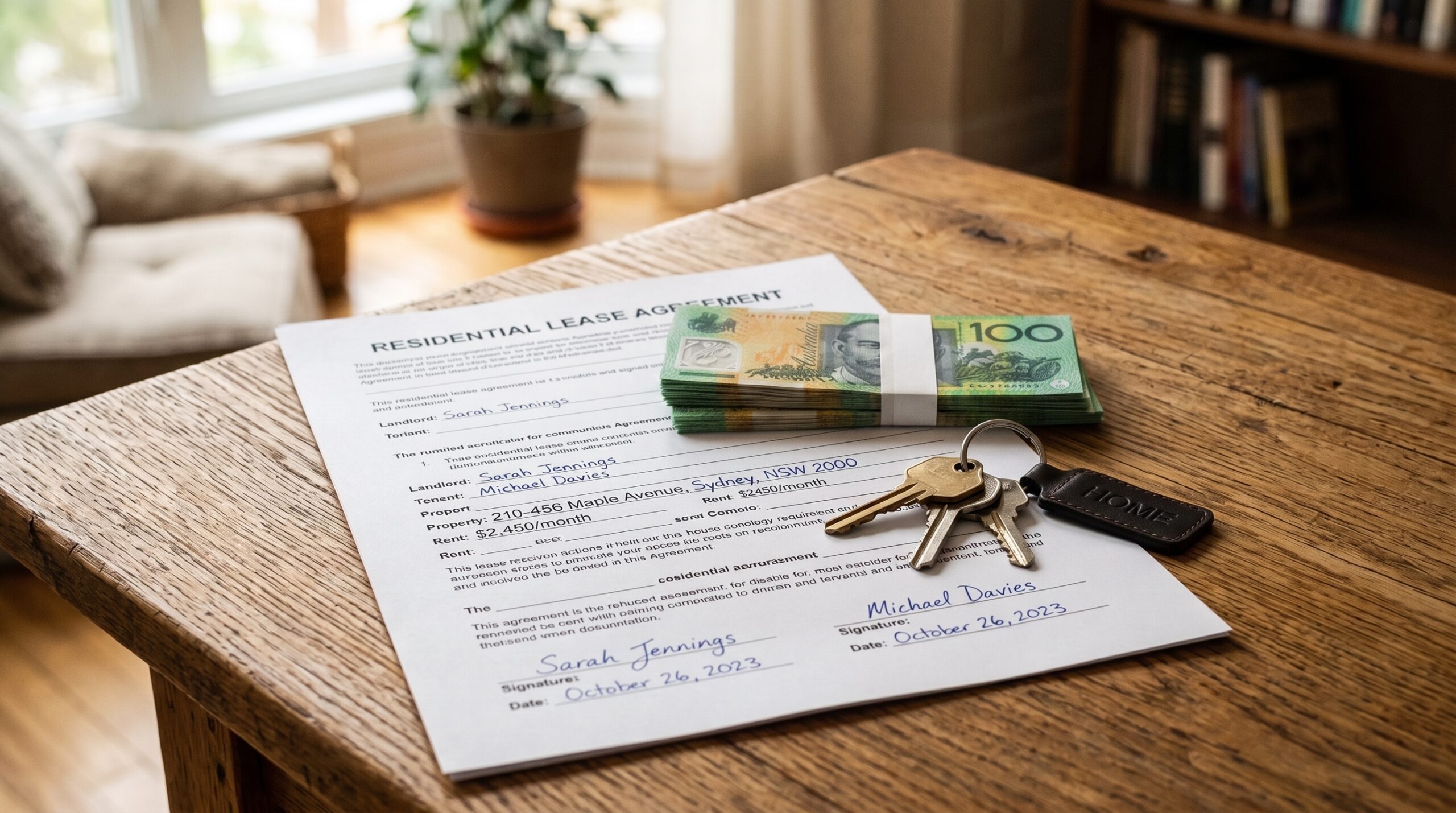
The difference between a thriving investment property and a stressful one often comes down to one thing: the quality of your tenants. High-quality tenants pay rent on time, care for your property, and stay longer — reducing vacancy periods and maximising your return. But attracting them isn’t accidental. It takes strategy, presentation, and process.
Here’s what Australian landlords and property managers need to know.
1. Price It Right From Day One
Overpricing is one of the biggest mistakes investors make. In today’s market, prospective tenants have access to Domain, realestate.com.au, and Rent.com.au at their fingertips — they know exactly what comparable properties are renting for.
A property sitting vacant for three weeks because it’s priced $30 per week too high will cost you more than simply adjusting to the market rate from the outset. Price competitively, and you’ll attract more applications quickly — giving you the luxury of choosing the best tenant rather than taking the first one who shows up.
Tip: Ask your property manager for a current rental appraisal based on recent comparable listings in the suburb, not just gut feel.
2. Presentation Is Everything
High-quality tenants are often professionals, families, or long-term renters who take pride in where they live. They will walk away from a poorly presented property — no matter the price or location.
Before listing, make sure your property is:
- Freshly cleaned, including carpets, windows, and appliances
- Well-maintained, with no broken fixtures, peeling paint, or dripping taps
- Freshly painted in neutral tones if walls are tired or marked
- Garden and exterior tidy — first impressions matter at the kerb
- Well-lit and ventilated — open blinds, replace blown globes
Think of it like selling: a property that shows well leases faster and to better tenants.
3. Invest in Professional Photography
Most tenants begin their search online. If your listing photos are dark, blurry, or taken on a phone, you’re already losing quality applicants before they’ve even read the description.
Professional real estate photography typically costs $150–$350 and pays for itself many times over. Wide-angle shots, natural lighting, and styled interiors make your listing stand out on a crowded portal — and attract the kind of tenant who recognises and values a quality home.
Video walkthroughs and virtual tours are increasingly popular too, particularly for interstate or busy professional tenants who want to shortlist before physically inspecting.
4. Write a Listing That Speaks to Your Ideal Tenant
Your listing description should do more than list features — it should speak directly to the lifestyle of your ideal tenant. Think about who you’re targeting:
- A young professional? Highlight proximity to public transport, cafes, and the CBD.
- A family? Lead with school catchments, parks, and the double garage.
- A couple downsizing? Emphasise low-maintenance living and quiet surrounds.
Be specific and honest. Vague descriptions like “great location” and “modern kitchen” don’t build trust. Mention the suburb, nearby landmarks, and genuine highlights that set the property apart.
Also ensure your listing is complete: include the weekly rent, bond amount, available date, pet policy, and parking details. Incomplete listings frustrate quality applicants and waste everyone’s time.
5. Respond Fast and Make Inspections Easy
Here’s a hard truth: if a prospective tenant sends an enquiry and doesn’t hear back within a few hours, they’ve already booked an inspection at the next property on their list.
Speed matters. Quality tenants — especially those in professional roles — have options. They move quickly and expect responsiveness.
Practical steps to improve your inspection process:
- Offer multiple inspection times, including evenings and Saturdays
- Consider self-guided or private inspections for flexibility
- Respond to all enquiries within 2–4 hours during business days
- Follow up after inspections with next steps clearly outlined
A smooth, professional experience tells prospective tenants exactly what kind of landlord (or property manager) they’d be dealing with — and quality tenants choose quality operators.
6. Screen Thoroughly — But Efficiently
Attracting quality tenants is only half the equation. You also need a robust screening process to verify that applicants are who they say they are.
In Australia, a strong tenant application should include:
- Photo ID (driver’s licence or passport)
- Proof of income — payslips, employment letter, or tax returns for self-employed applicants
- Rental history references — contact previous property managers directly, not just via written references
- A completed tenancy application form (most agencies use forms compatible with state tenancy legislation)
You can also use platforms like 1Form or Snug to streamline the application process, making it easier for applicants while giving you more complete data to assess.
Note: Under Australian anti-discrimination laws, you cannot reject an applicant based on protected characteristics such as race, gender, family status, or religion. Screen on financial capacity and rental history only.
7. Work With a Professional Property Manager
If you’re self-managing, you may be inadvertently limiting your reach and your screening rigour. A licensed property manager brings:
- Access to broader advertising networks and premium listing placements
- Established tenant databases and referral networks
- Legally compliant screening processes
- Experience reading applications and spotting red flags
- Ongoing compliance with state-based tenancy legislation (which changes regularly)
In Australia’s current environment — with evolving rental reforms across NSW, Victoria, Queensland, and WA — having a professional who stays across legislative changes is increasingly valuable.
The management fee is typically 5.5%-8.8% of weekly rent, depending on the state and service level. For most investors, it’s money well spent.
8. Offer a Well-Maintained, Responsive Tenancy
Word of mouth matters in the rental market. Tenants talk — to friends, colleagues, and increasingly on online forums. If your previous tenants left because maintenance was ignored or communication was poor, it will show in your references.
Quality tenants want to know they’ll be looked after. Make it clear from the outset:
- Maintenance requests will be attended to promptly
- Communication will be professional and respectful
- The tenancy will be managed in accordance with their rights
A landlord or property manager with a reputation for treating tenants fairly will attract better applicants — and keep them for longer.
9. Consider What Makes Your Property Pet-Friendly
Australia has one of the highest rates of pet ownership in the world, yet many rental properties remain closed to pets. This creates a significant opportunity for investors willing to reconsider.
In Queensland, the ACT, and Victoria, legislative changes have made it easier for tenants to keep pets, with landlords required to have reasonable grounds to refuse. Embracing this trend — especially with appropriate pet bonds or clauses where legislation permits — can dramatically widen your applicant pool and attract responsible, long-term tenants who struggle to find suitable accommodation.
Final Thought: Vacancy Is the Real Risk
In investment property, the highest cost isn’t maintenance or rates — it’s vacancy. Every week your property sits empty is a week of lost income that no future rent increase can recover.
The good news is that attracting high-quality tenants quickly is entirely within your control. With the right pricing, presentation, process, and professional support, you can minimise vacancy, maximise rent, and build a tenancy that delivers consistent long-term returns.
If you’d like a rental appraisal or a conversation about how we attract and retain high-quality tenants for our clients, get in touch with our team today.
Disclaimer: This article is intended as general information only and does not constitute legal or financial advice. Tenancy laws vary by state and territory — always consult a licensed property manager or legal professional for advice specific to your situation.
